Nutritional properties of Chicken BreastEnergy : 165.00 Kcal / 100g
Category : Proteins & Meats
Group : White Meat
Composition And Nutritional Value :Chicken breast is a lean cut of poultry that is low in fat and high in protein, making it a popular choice for those looking for a healthy source of animal protein. It contains essential amino acids, which are the building blocks of protein and vital for muscle growth and repair. Chicken breast is also rich in B vitamins, especially niacin (B3) and B6, which play important roles in energy metabolism, red blood cell production, and brain function. It is a good source of minerals like phosphorus and selenium, which support bone health, cellular function, and immune defense. With minimal fat and calories, it is a healthy and versatile meat choice for various diets.
Health Benefits : Chicken breast offers a wide range of health benefits due to its high protein and nutrient content. The protein in chicken breast helps build and repair tissues, including muscles, skin, and organs. Its low fat content makes it a heart-healthy option, contributing to a balanced diet. B vitamins, especially niacin and B6, help regulate metabolism and support energy production. Selenium, found in chicken breast, has antioxidant properties and supports immune function. With its lean profile, chicken breast is ideal for those looking to manage their weight or maintain a high-protein, low-fat diet.
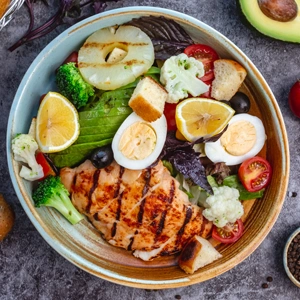
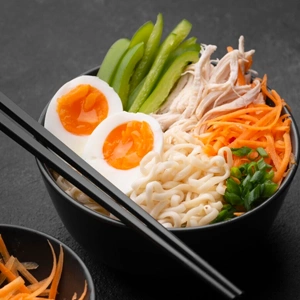
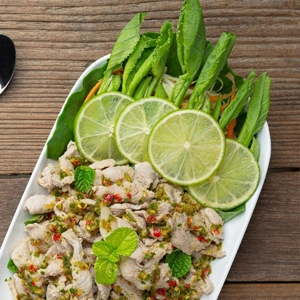
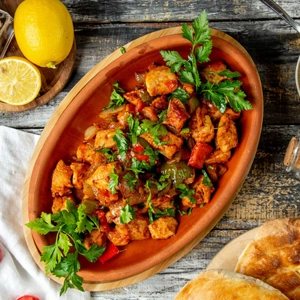
Culinary Uses : Chicken breast is incredibly versatile and can be prepared in numerous ways, from grilling and baking to stir-frying and poaching. It can be seasoned with a variety of spices and herbs to suit different cuisines, such as garlic, rosemary, thyme, paprika, or lemon. For tender, juicy chicken breasts, it is often recommended to cook them at moderate temperatures and avoid overcooking. Chicken breast can be served whole, sliced into strips or cubes for salads, wraps, or tacos, or shredded for soups and casseroles. It is a staple in many cuisines, including American, Mediterranean, and Asian dishes, due to its adaptability to different cooking styles and flavors.
Types : Chicken breast is available in several forms, including bone-in or boneless, skinless or skin-on. Boneless, skinless chicken breasts are the most common and convenient choice, often used for quick cooking methods like grilling, pan-searing, or baking. Bone-in, skin-on chicken breasts offer more flavor and moisture, as the skin helps retain the meat’s juiciness during cooking. Chicken breast can also be found as whole breasts, fillets, or cutlets, with cutlets being thinner and ideal for quick cooking. Some versions are pre-marinated or seasoned, which can add extra flavor but should be chosen based on personal dietary preferences.
Shopping And Storage Tips : When purchasing chicken breast, look for firm, pink flesh with no signs of discoloration or an off smell. The skin should be smooth, and the meat should be free from any bruises or excessive liquid. Fresh chicken breast should be stored in the refrigerator at 40°F (4°C) or lower and consumed within 1 to 2 days. If freezing, chicken breast can last for up to 9 months. To preserve freshness, it is recommended to store chicken breasts in an airtight container or tightly wrapped in plastic wrap or foil. To prevent overcooking, consider using a meat thermometer, with 165°F (74°C) being the ideal internal temperature for cooked chicken.