Nutritional properties of Cow MilkEnergy : 42.00 Kcal / 100g
Category : Dairy Products
Group : Milk
Composition And Nutritional Value :
• Carbohydrates: Milk has lactose, a natural sugar, making up about 4-5% of its content. Lactose provides energy and promotes calcium absorption.
• Proteins: Milk contains about 3-4% protein, mainly casein and whey, both of which are high-quality proteins that support muscle growth and repair.
• Fats: Depending on the type, milk fat content can vary. Whole milk typically has around 3-4% fat, while low-fat and skim milk have reduced or removed fat content. Milk fat contains saturated fats and small amounts of omega-3 fatty acids.
• Vitamins: Milk is rich in vitamins, particularly vitamin B12, B2 (riboflavin), A, and D (in fortified milk). Vitamin D helps with calcium absorption, while B vitamins support energy production and skin health.
• Minerals: Calcium, potassium, and phosphorus are abundant in milk, with calcium being especially important for bone health.
• Water: Milk is around 87% water, contributing to hydration.
Health Benefits :
• Bone Health: High in calcium, phosphorus, and vitamin D, milk supports bone strength and development, especially in children and adolescents.
• Muscle Growth: Milk proteins, especially whey and casein, are known for their effectiveness in promoting muscle recovery and growth.
• Heart Health: Milk’s potassium can help maintain healthy blood pressure. However, choosing low-fat milk options can reduce saturated fat intake, benefiting heart health.
• Skin Health: Vitamins A and B2 help support healthy skin, while milk’s hydrating properties can benefit skin’s overall texture.
• Immune System Support: Vitamin B12 and vitamin D are beneficial for immune health, helping maintain normal cellular function.
Culinary Uses :
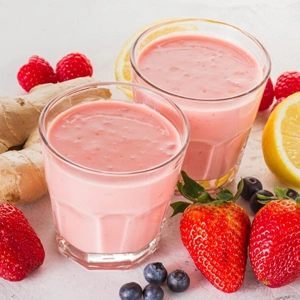
• Beverages: Milk is consumed on its own or used as a base in tea, coffee, and smoothies.
• Baking and Cooking: It’s a staple in many recipes, from baked goods like bread and cakes to sauces like béchamel.
• Fermented Products: Milk is used to make yogurt, cheese, kefir, and other dairy products, which offer added probiotic benefits.
• Desserts: Milk is a key ingredient in ice cream, custards, and puddings.
Types :
• Whole Milk: Contains about 3-4% fat, offering a creamy texture.
• Low-Fat and Skim Milk: These have reduced or removed fat content, typically 1-2% and less than 0.5%, respectively.
• Lactose-Free Milk: Made for lactose-intolerant individuals, with lactose broken down into simpler sugars.
• Organic Milk: Produced without synthetic pesticides or hormones.
• Flavored Milk: Comes in flavors like chocolate and strawberry but may contain added sugars.
• Non-Dairy Alternatives: Plant-based milk alternatives (such as almond, soy, or oat milk) for those with dairy restrictions.
Shopping And Storage Tips :
• Shopping Tips: Check the expiration date, and if you’re looking for a healthier option, consider fat content. Lactose-free options are available for lactose-intolerant individuals, and organic milk may be preferred by those avoiding synthetic chemicals.
• Storage Tips: Keep milk refrigerated at 1-4°C (34-39°F). After opening, it typically stays fresh for 5-7 days. Avoid leaving milk out at room temperature for extended periods to prevent bacterial growth.
• Freezing Tips: Milk can be frozen, though it may change texture slightly upon thawing. Use within 1-3 months and shake well before consuming.