Nutritional properties of European ButterEnergy : 740.00 Kcal / 100g
Category : Dairy Products
Group : Butter
Composition And Nutritional Value : European butter is known for its higher butterfat content compared to American butter, typically ranging from 82% to 86% butterfat, while American butter contains about 80% butterfat. This higher fat content gives European butter a richer, creamier texture and flavor. The butter is made by churning cream from cows, often from grass-fed dairy farms, and can be slightly salted or unsalted. European butter is also rich in fat-soluble vitamins, including A, D, E, and K. However, like all butters, it is high in saturated fats and should be consumed in moderation as part of a balanced diet to avoid negative impacts on cardiovascular health.
Health Benefits : European butter provides similar health benefits to regular butter due to its high content of fat-soluble vitamins such as A, D, and E. These vitamins support skin health, immune function, and bone strength. The butter’s higher butterfat content provides a richer source of energy, while the presence of omega-3 fatty acids (especially in butter made from grass-fed cows) offers potential anti-inflammatory benefits and supports heart health. However, due to its saturated fat content, European butter should be consumed in moderation to avoid contributing to high cholesterol levels or increasing the risk of heart disease, particularly for those with cardiovascular concerns.
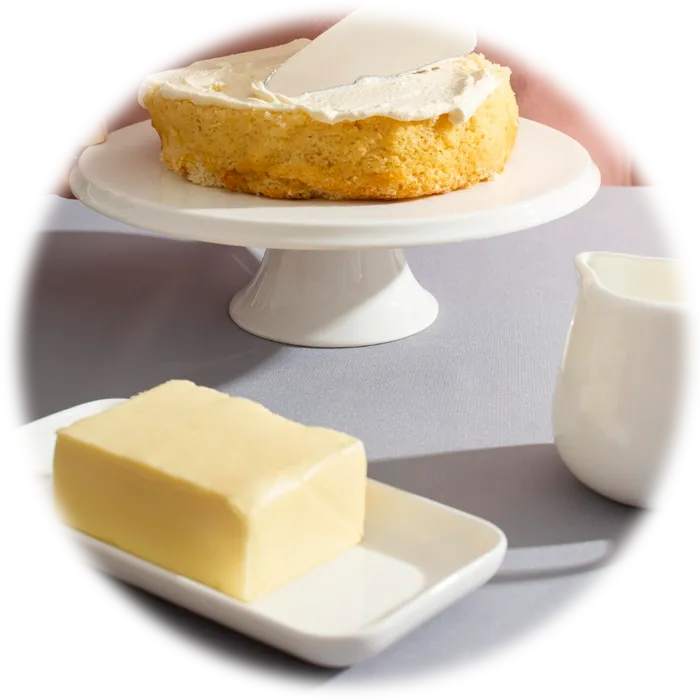
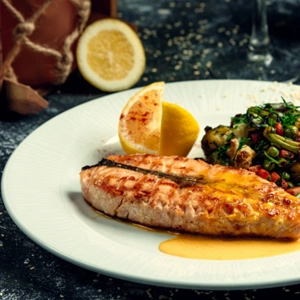
Culinary Uses : European butter is prized for its rich, creamy flavor and is widely used in cooking and baking. It is often preferred by chefs for baking pastries, croissants, and other delicate baked goods, as its higher fat content yields a flakier, more tender texture. European butter is also commonly used as a finishing touch for sauces, meats, vegetables, or seafood to add richness and depth. In everyday cooking, it can be used for sautéing, frying, or simply as a spread for bread, toast, and crackers. Its smooth, creamy texture makes it ideal for adding a luxurious touch to both savory and sweet dishes.
Types : European butter comes in various types, with the main differences being in the salt content and the milk source. The most common types are unsalted European butter, which is ideal for baking and cooking where precise control over salt is needed, and salted European butter, which is often used as a spread or finishing butter for flavor. Grass-fed European butter is a premium variety, made from the milk of cows that primarily consume grass, leading to a butter that is richer in omega-3 fatty acids and vitamin K2. Some regions may also produce special varieties with added flavorings like herbs or truffles.
Shopping And Storage Tips : When shopping for European butter, look for reputable brands that use high-quality, grass-fed cream for the best taste and nutritional benefits. European butter is typically sold in blocks or sticks, and you can choose between salted or unsalted versions depending on your intended use. Check the label for butterfat content (usually indicated as 82-86%) and opt for brands that offer organic or grass-fed options for the highest quality. European butter should be stored in the refrigerator to maintain its texture and freshness. It can be stored for several weeks in the fridge and can also be frozen for longer-term storage. Always use it within its expiration date for optimal flavor.