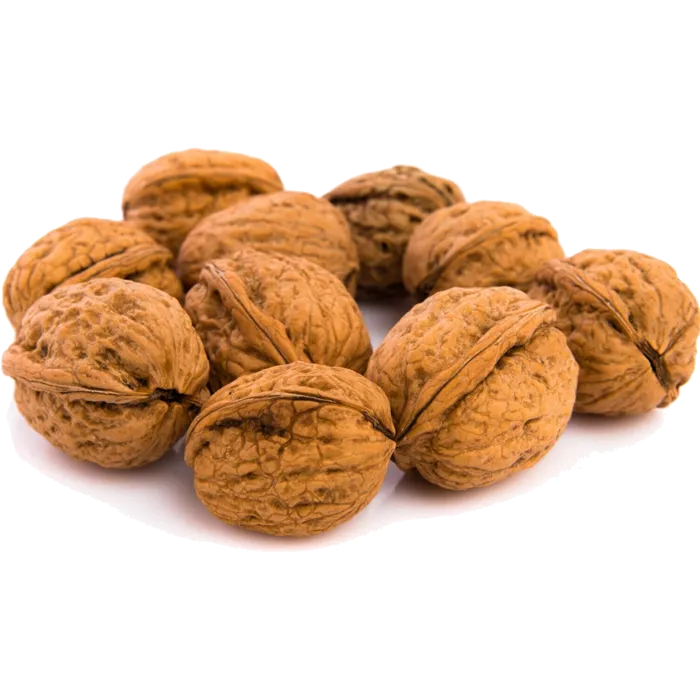
Nutritional properties of WalnutsEnergy : 654.00 Kcal / 100g
Category : Bread & Grain-based Products
Group : Seeds and Nuts
Composition And Nutritional Value :Walnuts are an excellent source of healthy fats, particularly omega-3 fatty acids, which contribute to heart health. They are rich in protein, fiber, vitamins such as vitamin E and B-vitamins, and minerals like magnesium, copper, and manganese. Walnuts are also high in antioxidants, which help protect cells from damage and reduce inflammation in the body, making them a highly nutritious and health-promoting food.
Health Benefits : Walnuts offer numerous health benefits, including improving heart health by lowering bad cholesterol and supporting healthy blood pressure due to their omega-3 content. The antioxidants in walnuts help fight oxidative stress, which may reduce the risk of chronic diseases like cancer and Alzheimer's. Additionally, walnuts support brain health, improve digestion, and may assist in weight management by promoting fullness and stabilizing blood sugar levels.
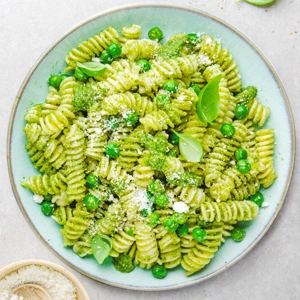
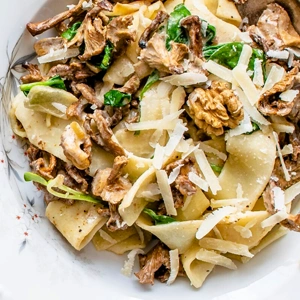
Culinary Uses : Walnuts are versatile and can be used in both sweet and savory dishes. They can be eaten raw, roasted, or added to salads, cereals, or baked goods like cakes, muffins, and cookies. Walnuts also make a great addition to savory dishes, such as stir-fries, pasta, or meatless patties. Walnut oil can be used as a dressing or in cooking to enhance flavor and provide a dose of healthy fats.
Types : The most common type of walnut is the English walnut, which is widely available and has a mild, slightly sweet flavor. Black walnuts are another variety, known for their stronger, more earthy taste. Both types offer similar health benefits, but the flavor and texture may vary, with black walnuts typically being more robust in flavor.
Shopping And Storage Tips : When buying walnuts, look for fresh, unbroken nuts that are free of any signs of mold or discoloration. Whole walnuts with their shells intact typically last longer than shelled walnuts. Store walnuts in an airtight container in a cool, dry place or refrigerate them to preserve their freshness and prevent them from becoming rancid. For longer storage, walnuts can also be frozen to maintain their flavor and nutritional quality.