Nutritional properties of Lemon JuiceEnergy : 28.98 Kcal / 100g
Category : Beverages
Group : Bases & Natural Ingredients
Composition And Nutritional Value :Lemon juice is the acidic liquid extracted from fresh lemons, and it is a good source of vitamin C, which supports the immune system, skin health, and collagen production. A typical serving of lemon juice contains very few calories and is almost entirely composed of water, with only small amounts of carbohydrates and natural sugars. In addition to vitamin C, lemon juice contains trace amounts of vitamins B6, folate, and potassium, as well as antioxidants like flavonoids, which can help reduce inflammation and oxidative stress. It is also rich in citric acid, which contributes to its tart flavor and may support digestion.
Health Benefits : Lemon juice offers a variety of health benefits due to its high vitamin C content and antioxidant properties. The vitamin C in lemon juice plays a key role in boosting the immune system and protecting the body against infections. Lemon juice may also support heart health by improving cholesterol levels, reducing blood pressure, and enhancing overall blood circulation. The citric acid in lemon juice can help prevent kidney stones by increasing urinary citrate levels, which inhibits the formation of stones. Additionally, lemon juice has detoxifying properties, supporting liver function and promoting digestion. Its high antioxidant content also helps to protect the body from free radical damage, reducing the risk of chronic diseases.
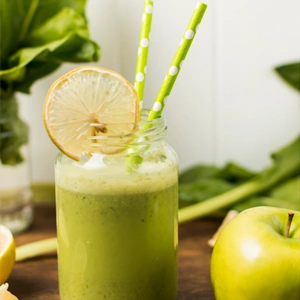
Culinary Uses : Lemon juice is widely used in both savory and sweet dishes. It is commonly added to salads, marinades, dressings, and sauces for a refreshing, tangy flavor. In baking, lemon juice is a key ingredient in recipes such as lemon cakes, pies, and cookies, where it provides both flavor and acidity to balance sweetness. Lemon juice is also a crucial component in beverages, such as lemonades, cocktails like the whiskey sour, and teas. It can be used to enhance fruit salads, smoothies, or to drizzle over seafood, chicken, or roasted vegetables for added brightness. Lemon juice is also often used in preserving or pickling food.
Types : There are primarily two types of lemon juice available: fresh-squeezed and commercially bottled. Fresh-squeezed lemon juice is made by extracting the juice directly from fresh lemons and is the most natural and nutrient-rich option. Commercially bottled lemon juice is typically pasteurized and may contain preservatives or added sugars. It is often more convenient for cooking and cocktails, though it may lack the fresh, vibrant flavor of freshly squeezed juice. Additionally, lemon juice concentrate is available, which is made by removing water from fresh lemon juice and then reconstituting it. This type of juice may not have the same fresh flavor as freshly squeezed juice.
Shopping And Storage Tips : When purchasing lemon juice, opt for fresh lemons if possible, as they provide the best flavor and maximum vitamin content. Fresh lemons should be firm, with a bright yellow color and smooth skin. If buying bottled lemon juice, choose products labeled as "100% pure lemon juice" with no added sugars or preservatives for the healthiest option. Store fresh lemons at room temperature if you plan to use them within a few days, or refrigerate them to extend their shelf life. Bottled lemon juice should be kept in the refrigerator and used within a few weeks after opening for the best flavor. Fresh-squeezed lemon juice can also be stored in the refrigerator for a few days or frozen in ice cube trays for long-term use.