Nutritional properties of PotatoEnergy : 77.00 Kcal / 100g
Category : Vegetables
Group : Root and Tuber Vegetables
Composition And Nutritional Value :Potatoes are a rich source of carbohydrates, primarily in the form of starch. They also provide essential nutrients like Vitamin C, B vitamins (especially B6), potassium, and dietary fiber. Potatoes are low in fat and contain small amounts of protein. The nutritional profile varies slightly depending on the variety and preparation method, with purple and sweet potatoes offering more antioxidants, such as anthocyanins and beta-carotene.
Health Benefits : Potatoes offer a range of health benefits, including promoting heart health due to their high potassium content, which helps regulate blood pressure. The fiber in potatoes supports digestion and can improve gut health. Additionally, they provide a good source of energy due to their carbohydrate content. Potatoes also contain antioxidants, which may help protect cells from oxidative stress and reduce the risk of chronic diseases.
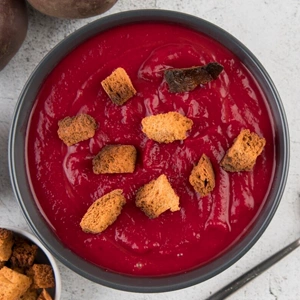
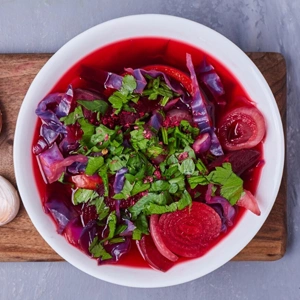
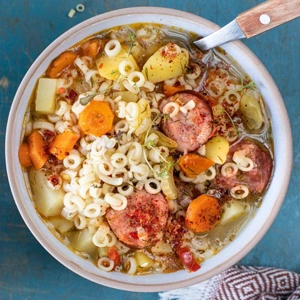
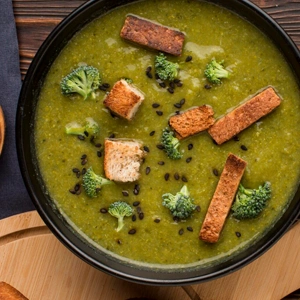
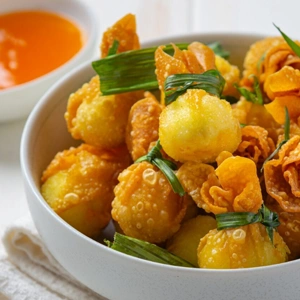
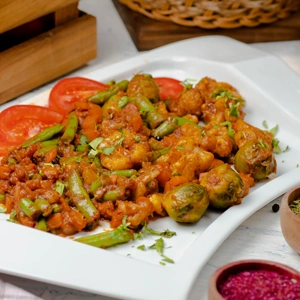
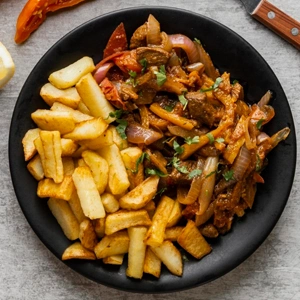
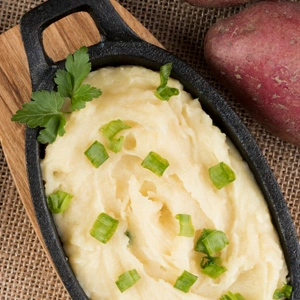
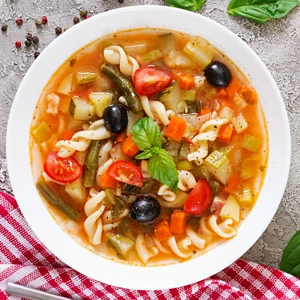
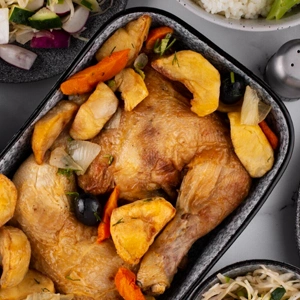
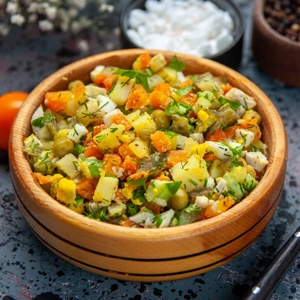
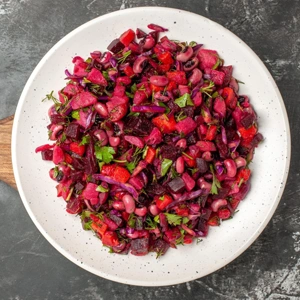
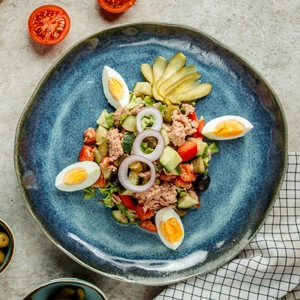
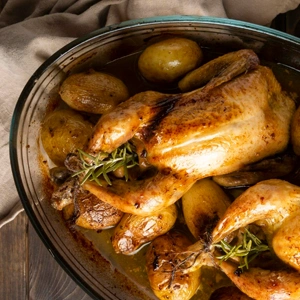
Culinary Uses : Potatoes are one of the most versatile foods in the kitchen, used in a wide range of dishes. They can be boiled, mashed, roasted, baked, or fried. Potatoes are the base of popular dishes like mashed potatoes, potato salad, fries, and gratins. They also serve as a filling for soups, stews, and casseroles. Potatoes pair well with almost any savory ingredients, making them a staple in numerous cuisines around the world.
Types : There are several types of potatoes, each suited to different culinary uses. Russet potatoes are starchy and ideal for baking or making mashed potatoes. Waxy potatoes, like red or fingerling varieties, are better for boiling or making salads, as they hold their shape well. Yukon Gold potatoes have a creamy texture, making them great for roasting or mashing. Sweet potatoes, which are often mistaken for regular potatoes, offer a slightly sweeter flavor and more nutrients, including Vitamin A.
Shopping And Storage Tips : When purchasing potatoes, look for firm, smooth potatoes with no visible blemishes or sprouting. Avoid potatoes with green patches, as these can be toxic. Potatoes should be stored in a cool, dark, well-ventilated place, such as a pantry. Avoid refrigerating potatoes, as cold temperatures can turn their starches into sugars. Properly stored potatoes can last for several weeks, but they should be used as soon as possible for the best flavor and texture.