Nutritional properties of ParsleyEnergy : None Kcal / 100g
Category : Vegetables
Group : Leafy and Stem Vegetables
Composition And Nutritional Value :Parsley is a highly nutritious herb, rich in vitamins A, C, and K. It also provides folate, iron, calcium, potassium, and small amounts of magnesium. Parsley is low in calories but contains a variety of antioxidants, including flavonoids and carotenoids, which help protect the body from oxidative stress and inflammation. Its high vitamin K content is particularly beneficial for bone health.
Health Benefits : Parsley is known for its powerful antioxidant properties, which help combat oxidative stress and may support heart health. It is also an excellent source of vitamin C, which supports the immune system and skin health. Parsley is beneficial for digestion, as it can help reduce bloating and improve gut health. Additionally, the herb has diuretic properties, which may help in reducing water retention and promoting kidney health.
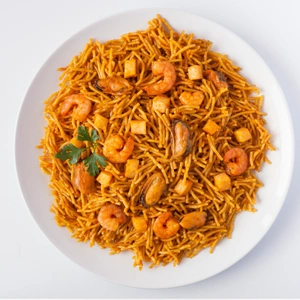
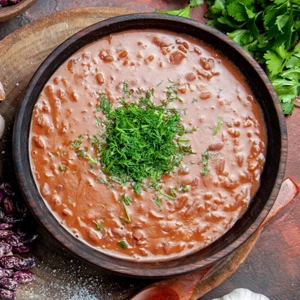
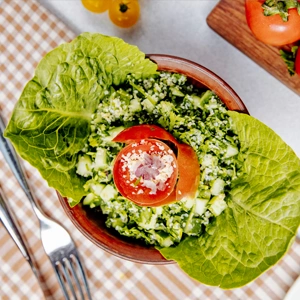
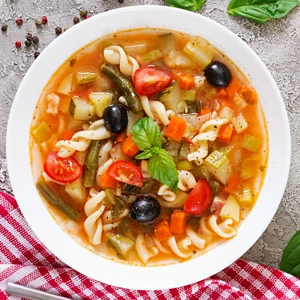
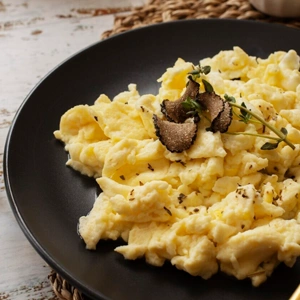
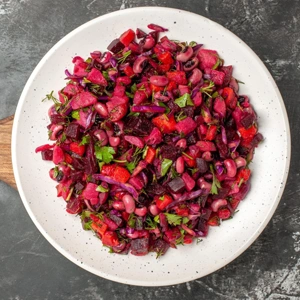
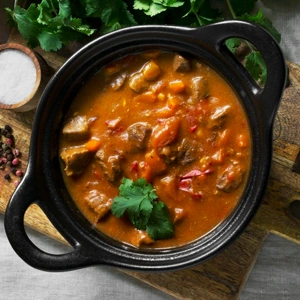
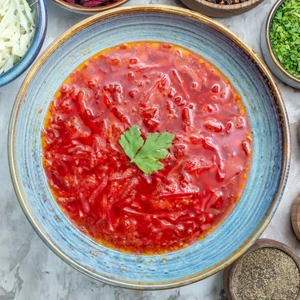
Culinary Uses : Parsley is a versatile herb used in many dishes worldwide. It is commonly added to salads, soups, stews, and sauces to enhance flavor. Parsley is a key ingredient in tabbouleh, chimichurri sauce, and gremolata. It can be used as a garnish for a variety of savory dishes, including meats, fish, and vegetables. Both curly-leaf and flat-leaf parsley are used in cooking, though flat-leaf parsley is often preferred for its stronger flavor.
Types : There are two main types of parsley: curly-leaf and flat-leaf (Italian) parsley. Curly-leaf parsley has tightly ruffled, decorative leaves and a milder flavor, often used as a garnish. Flat-leaf parsley has broader, more aromatic leaves and is typically preferred for cooking due to its stronger, more robust flavor. Both types offer similar nutritional benefits, but flat-leaf parsley is often more flavorful in savory dishes.
Shopping And Storage Tips : When shopping for parsley, look for vibrant, fresh leaves without any wilting, yellowing, or dark spots. Fresh parsley can be stored in the refrigerator in a perforated plastic bag or placed in a glass of water with the stems submerged, loosely covered with a plastic bag. It should be consumed within a few days for the best flavor, but it can also be frozen for longer storage. Dried parsley can be stored in an airtight container in a cool, dry place for several months.