Nutritional properties of MushroomEnergy : 22.00 Kcal / 100g
Category : Vegetables
Group : Leafy and Stem Vegetables
Composition And Nutritional Value :Mushrooms are low in calories but rich in essential nutrients, including vitamins B, D, and minerals like selenium, potassium, and copper. They are an excellent source of fiber and provide small amounts of protein, making them a nutritious addition to various dishes. Mushrooms also contain antioxidants, such as ergothioneine and polyphenols, which help combat oxidative stress.
Health Benefits : Mushrooms offer several health benefits, including boosting immune function due to their antioxidant and vitamin D content. They support heart health by helping to lower cholesterol levels and regulate blood pressure, thanks to their potassium and fiber content. Mushrooms are also linked to improved cognitive function and may have anti-cancer properties due to compounds like polysaccharides and beta-glucans.
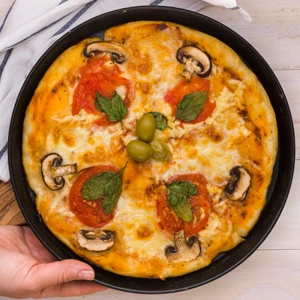
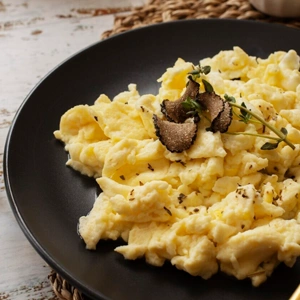
Culinary Uses : Mushrooms are highly versatile in the kitchen and can be used in a variety of dishes. They are commonly sautéed, roasted, grilled, or used in soups, stews, and sauces. Mushrooms can be eaten raw in salads or sandwiches, and they serve as an excellent meat substitute in vegetarian or vegan recipes. Different varieties, such as button, shiitake, and portobello, provide unique textures and flavors to enhance any dish.
Types : There are many types of edible mushrooms, with some of the most common being white button mushrooms, cremini, portobello, shiitake, and oyster mushrooms. Each variety varies in flavor, texture, and culinary use, with white button mushrooms being mild, portobellos having a meaty texture, and shiitakes offering a rich, earthy flavor. Wild mushrooms, such as chanterelles and morels, are also highly sought after for their unique taste and texture.
Shopping And Storage Tips : When purchasing mushrooms, look for firm, plump, and clean specimens with no signs of wrinkling or discoloration. Avoid mushrooms that are slimy or have dark spots. Fresh mushrooms should be stored in the refrigerator in a paper bag, which helps absorb moisture and keeps them fresh. Avoid storing them in plastic bags, as this can cause them to become soggy. Dried mushrooms can be stored in a cool, dark place for a longer shelf life and should be rehydrated before use.