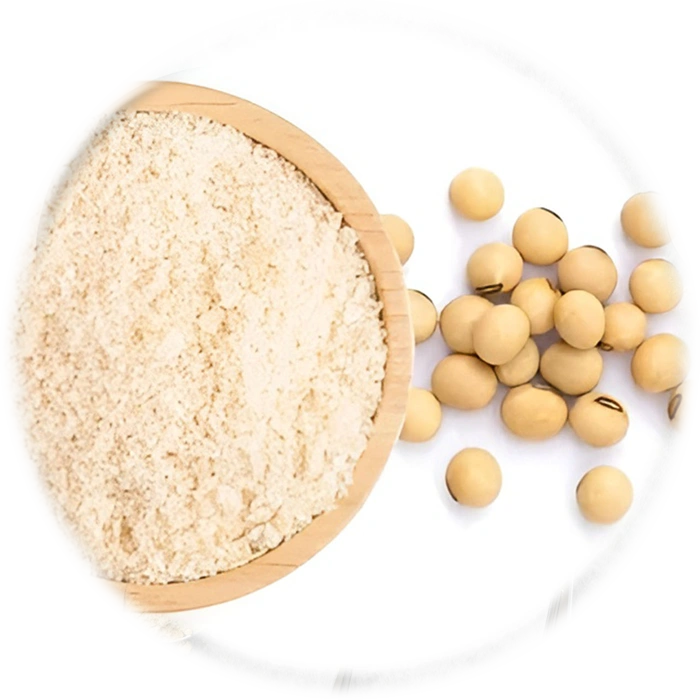
Nutritional properties of soy proteinEnergy : None Kcal / 100g
Category : Ready-made & Semi-prepared
Group : Protein Supplements
Composition And Nutritional Value : Soy protein is a highly versatile, plant-based protein derived from soybeans. It is commonly used in vegetarian, vegan, and non-dairy diets due to its complete amino acid profile and variety of health benefits.
Nutritional Value:
Protein: Soy protein is a complete protein, containing all nine essential amino acids required by the human body. This makes it an excellent option for muscle building, repair, and overall health.
Fat: Soy protein is relatively low in fat, with a focus on unsaturated fats, which are beneficial for heart health.
Carbohydrates: Contains moderate amounts of carbohydrates, primarily in the form of complex carbohydrates and dietary fiber, aiding in digestion and blood sugar regulation.
Isoflavones: Soy contains phytoestrogens called isoflavones, which mimic estrogen in the body. These compounds may offer hormone-related health benefits.
Vitamins and Minerals: Soy protein is a good source of B vitamins (especially B2, B3, and B6), iron, magnesium, and potassium.
Health Benefits : Complete Protein: Provides all essential amino acids, making it ideal for muscle repair, recovery, and maintenance.
Heart Health: High in unsaturated fats and low in saturated fats, which can help reduce cholesterol levels and improve cardiovascular health.
Hormonal Balance: Isoflavones in soy can support hormonal balance, particularly for women going through menopause.
Weight Management: Rich in protein and fiber, soy protein helps promote satiety, which can aid in weight management.
Culinary Uses : Soy protein is widely used in various forms:
Soy Protein Isolate: Used in supplements, shakes, and protein bars for muscle building and recovery.
Soy Flour: Used in baking to provide a protein-rich alternative to traditional flours.
Tofu and Tempeh: Soy-based foods used as meat alternatives in dishes such as stir-fries, salads, and sandwiches.
Types : Soy protein comes in different forms:
Soy Protein Isolate: High in protein content, often used in supplements.
Soy Protein Concentrate: Contains more natural soy compounds like fiber, carbohydrates, and some fats.
Soy Flour: Ground soybeans used in baking and cooking.
Silken Tofu: A versatile soy product used in both sweet and savory dishes.
Shopping And Storage Tips : When purchasing soy protein, opt for organic or non-GMO options if desired. Store in a cool, dry place in an airtight container to maintain freshness and prevent clumping. Refrigeration is not necessary, but keeping it away from heat and humidity helps preserve its quality.