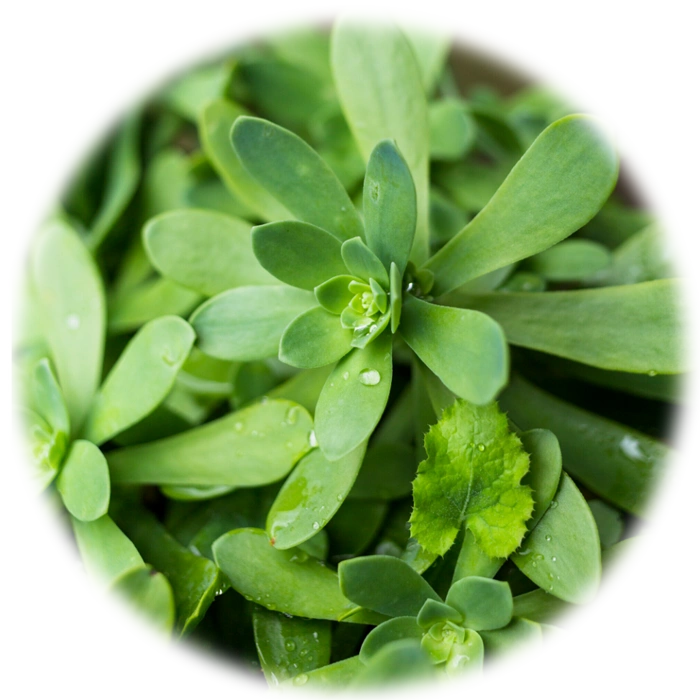
Nutritional properties of purslaneEnergy : None Kcal / 100g
Category : Vegetables
Group : Leafy and Stem Vegetables
Composition And Nutritional Value : Purslane (Portulaca oleracea) is a leafy green vegetable known for its high nutrient content and distinctive flavor. It is rich in essential vitamins, minerals, and antioxidants, making it a valuable addition to a balanced diet. Here are its main components:
Vitamins:
Vitamin A: Purslane is particularly high in beta-carotene, which is converted into vitamin A in the body. Vitamin A is essential for eye health, immune function, and cell growth.
Vitamin C: Purslane provides a good amount of ascorbic acid, an antioxidant that supports immune health, collagen production, and wound healing.
Vitamin K: This vitamin plays a key role in blood clotting and bone health.
B-vitamins: Including B1 (thiamine), B2 (riboflavin), and B3 (niacin), which are involved in energy metabolism and nervous system function.
Minerals:
Calcium: Purslane is a good source of calcium, essential for bone health, muscle contraction, and nerve signaling.
Magnesium: Supports muscle and nerve function, blood sugar regulation, and heart health.
Potassium: Helps maintain electrolyte balance, heart health, and hydration.
Antioxidants and Phytochemicals:
Omega-3 Fatty Acids: Purslane is rich in alpha-linolenic acid (ALA), a type of omega-3 fatty acid that supports heart health, brain function, and inflammation reduction.
Quercetin and Carotenoids: These antioxidants protect cells from oxidative stress and reduce inflammation.
Fiber: Purslane is a good source of dietary fiber, which aids in digestion, gut health, and cholesterol regulation.
Health Benefits : Rich in Antioxidants: Purslane is packed with antioxidants, including vitamin C, quercetin, and beta-carotene, which help reduce free radical damage and inflammation.
Heart Health: The high content of omega-3 fatty acids and potassium supports cardiovascular health, helping to regulate blood pressure and reduce the risk of heart disease.
Bone Health: With a good amount of calcium and magnesium, purslane contributes to maintaining strong and healthy bones.
Anti-Inflammatory Properties: The antioxidants and omega-3 fatty acids present in purslane help reduce inflammation in the body, which may be beneficial for managing chronic diseases such as arthritis or cardiovascular issues.
Digestive Health: The high fiber content in purslane supports a healthy digestive system, aiding in regular bowel movements and gut health.
Weight Management: Purslane is low in calories and high in nutrients, making it an ideal addition to a weight management diet for those seeking to add filling, nutrient-dense greens.
Culinary Uses : Salads: Purslane is commonly used in fresh salads, often paired with other greens, tomatoes, and vinaigrette dressings.
Stir-Fries: Its mild, slightly tangy flavor pairs well with sautéed vegetables, tofu, or meats in stir-fry dishes.
Soups and Stews: Purslane can be added to soups and stews for added texture and nutrients.
Smoothies: Some use purslane in green smoothies due to its high nutritional profile.
Pesto and Sauces: Purslane can be blended into pestos or sauces for a unique twist on traditional recipes.
Types : Wild Purslane: Often found growing in gardens and fields, wild purslane is smaller and more tender.
Garden Purslane: Grown as a vegetable, garden purslane has larger, fleshy leaves and is cultivated specifically for its culinary uses.
Shopping And Storage Tips : Selecting Purslane: Look for fresh, vibrant leaves without wilting or discoloration. Fresh purslane should be crisp and juicy.
Storage: Purslane is highly perishable and should be consumed within a day or two of purchasing. Store it in the refrigerator in a plastic bag or container to maintain freshness.
Preservation: To extend its shelf life, purslane can be blanched and frozen for future use in soups, stews, or stir-frys. However, it may lose some of its crispness when frozen.
Purslane is a versatile, nutrient-dense green that can easily be incorporated into a variety of dishes, offering a rich source of vitamins, minerals, and healthy fats for optimal well-being.